Trustworthy Home Building Services for Your Dream Project
Determining a reputable home builder is a pivotal step in realizing one's dream home. Fundamental strengths, such as effective project management and clear financial planning, can greatly impact the conclusion. In addition, understanding the key services a builder ought to offer is comparably important. As homeowners work through this intricate undertaking, diverse factors warrant careful consideration. Which defining qualities should one prioritize when selecting a builder for this substantial monetary commitment?
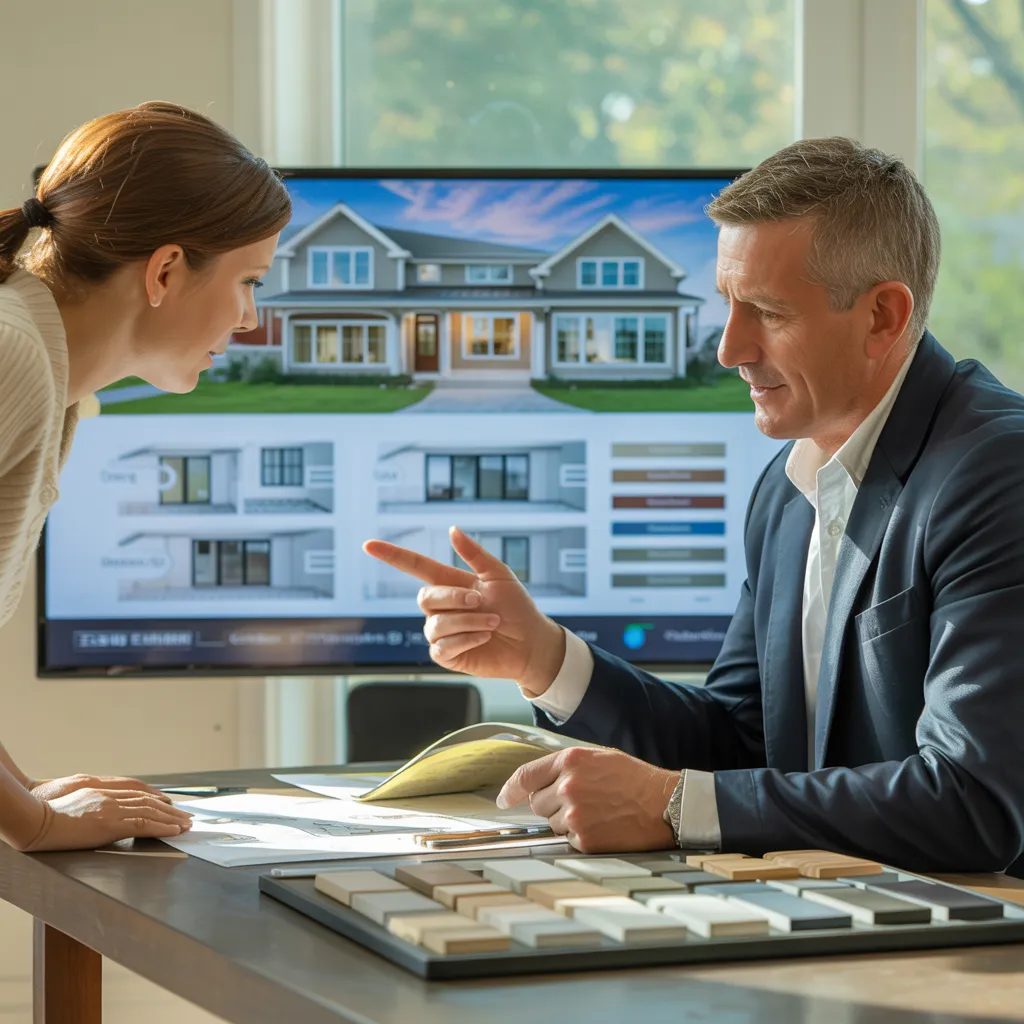
Essential Qualities of a Reliable Home Contractor
When selecting a home builder, grasping the essential qualities that establish a trustworthy professional is vital. Integrity stands at the forefront; a dependable builder ensures openness in all dealings, guaranteeing clients are educated and comfortable throughout the process. Expertise also plays an important role; seasoned builders possess the knowledge to navigate obstacles effectively and can guide clients through complex design and regulatory matters.
Moreover, robust dialogue abilities are required, as they facilitate clear interactions and timely replies to customer requests. A well-established contractor should also demonstrate a focus on excellence, using durable materials and skilled craftsmanship to secure permanent outcomes. Finally, favorable customer feedback and a comprehensive body of work reflect a contractor's credibility and reliability. By spotting these essential characteristics, customers can make informed decisions and pick a contractor who corresponds to their vision and values.
Important Services a Quality Home Builder Should Extend
A professional home builder provides a range of essential services that guarantee a seamless and prosperous construction process. First, they provide extensive design and planning services, which consist of consultations to comprehend the client's vision and preferences. This guarantees that the project matches the homeowner's expectations from the outset.
In addition, a dependable builder manages all required permits and regulatory compliance, making easier the often complex legal requirements of construction. They also furnish management services services, coordinating subcontractors, materials, and timelines adroitly to minimize delays and disruptions.
Furthermore, quality home builders often offer clear budget planning and price quotes, allowing clients to make informed decisions throughout the project. After construction, many builders extend services such as warranties and post-construction support, guaranteeing long-term satisfaction. By offering these essential services, a reliable home builder plays a pivotal role in converting a vision endeavor into a reality.
Important Criteria for Examining a Contractor's Body of Work
When evaluating a construction team's portfolio, multiple important criteria prove to be critical markers of quality. Project variety and scope, skilled workmanship, and aesthetic uniformity play vital roles in assessing a builder's ability to satisfy diverse client needs. These factors together offer insight into the builder's experience and overall aesthetic vision.
Project Variety and Range
Project diversification and extent act as important measures when evaluating a builder's portfolio. A wide range of projects highlights the builder's adaptability and expertise in managing varied approaches and demands. This includes residential homes, renovations, and commercial spaces, showing the builder's capability to meet varied client needs. Assessing the scope also involves reviewing project sizes, from minor remodels to expansive custom builds. A builder with experience across diverse project types shows a solid understanding of industry standards and challenges. get details on this Moreover, a well-rounded portfolio indicates a builder's ability to innovate and customize solutions, ensuring they can bring a client's vision to life, no matter the complexity or scale. This variety ultimately adds to a builder's reputation and trustworthiness.
Grade of Skilled work
Craftsmanship quality acts as a vital benchmark in reviewing a builder’s portfolio, reflecting the expertise and detailed attention characteristic of their work. Prospective homeowners are advised to closely inspect completed projects, observing the precision in finishes, structural integrity, and overall aesthetics. Superior craftsmanship often features high-grade materials and techniques, observable in smooth surfaces, accurately aligned fixtures, and resilient installations. Builders who focus on craftsmanship usually demonstrate a commitment to excellence, guaranteeing each component meets rigorous standards. In addition, client testimonials can shed light on the builder's trustworthiness and dedication to quality. By assessing craftsmanship, homeowners can make educated decisions, ensuring their chosen builder aligns with their vision for a well-realized project.
Consistent Design and Visual Approach
Design uniformity and visual appeal are essential components in reviewing a builder's portfolio, as they show the overall vision and design harmony of completed projects. A portfolio displaying varied designs may indicate versatility; however, it should still copyright a recognizable style that aligns with the builder's brand. Clients should identify balanced color selections, complementary materials, and cohesive architectural elements across different homes. Meticulous attention in design details, such as trim and lighting, additionally shows a builder's commitment to consistent style. Additionally, examining how a builder modifies their design principles while still achieving a cohesive look across multiple projects can provide insight into their creative capabilities. Ultimately, design consistency guarantees clients that their vision will be fulfilled seamlessly.
Why Clear Communication Is Important in Home Building
Clear discourse remains critical in home building, as it sets the framework for defining goals among all parties taking part. When difficulties emerge, effective dialogue enables quick problem-solving, reducing delays and miscommunications. In addition, candid exchange builds strong relationships based on trust, which are necessary for successful project completion.
Establishing Requirements Explicitly
Effective communication plays an important role in the home building process, creating the foundation for a successful project. Clear expectations between homeowners and builders must be defined to prevent misunderstandings. This requires outlining timelines, budget constraints, and design preferences from the very beginning. When these expectations are communicated properly, both parties can unify their visions and goals, resulting in a smoother workflow. Through regular updates and open dialogue, transparency is maintained, helping homeowners to stay involved and informed during the project. Additionally, clear expectations empower builders to manage resources efficiently, avoiding delays and potential conflicts. By focusing on clear communication, homeowners and builders can work together effectively to realize the dream project without unnecessary complications. In the end, this strategy boosts satisfaction and trust in the home building experience.
Expediting Efficient Obstacle Resolution
Steering through the difficulties of home building often needs immediate decision-making and problem-solving. Clear communication between builders, clients, and subcontractors is crucial for addressing unexpected challenges efficiently. When challenges appear, swift and transparent dialogue supports rapid problem identification, diminishing delays and reducing stress. Builders who prioritize open lines of communication can quickly relay information, ensuring that all parties are aligned on solutions. Such a proactive strategy enables quick resolutions and also empowers clients to make knowledgeable decisions. By fostering a culture of clear communication, home builders enhance their ability to navigate obstacles effectively, ultimately contributing to the successful completion of projects and the satisfaction of all stakeholders involved.
Developing Trustworthy Associations
Building trust among all parties involved in home construction is highly dependent on consistent communication. Clear dialogue facilitates collaboration between homeowners, builders, and subcontractors, ensuring everyone is aligned on project goals and expectations. Regular updates and open channels for feedback help the timely resolution of concerns, lessening misunderstandings. When builders communicate timelines, budgets, and potential obstacles transparently, homeowners feel more secure in their investments. Additionally, establishing rapport encourages a cooperative atmosphere, which can lead to innovative solutions and creative input. Ultimately, by prioritizing effective communication, all stakeholders can forge stronger relationships, paving the way for successful projects and satisfied clients. This trust enhances the overall experience, making the home-building journey more enjoyable and less stressful.
How to Budget Smartly for Your Home Prudently
In what way can property owners ensure their money matters remain consistent with their dream home aspirations? A well-structured budget is vital for making educated decisions. First, property owners should assess their financial situation by calculating total revenue, outstanding debts, and monthly expenses. This assessment helps figure out a achievable budget for home construction.
Next, creating a thorough list of budgeted costs is important. Property owners should include land acquisition, materials, labor, permits, and surprise expenses, often known as a contingency fund. Establishing a order of importance for features can direct spending and ensure core requirements are paid for first.
Furthermore, property owners should review financing options, such as credit lines, financial assistance, or savings, to secure required resources. Regularly assessing expenses against the budget can help preserve financial discipline throughout the project. By sticking with these methods, homeowners can effectively manage their finances and accomplish their ideal home goals without going over budget.
Learning About What Occurs in the Residential Construction Procedure
As homeowners embark on the mission of establishing their ideal residence, grasping the various stages of the development sequence is essential for a successful outcome. The procedure typically initiates with advance preparation, where homeowners work with builders to finalize specifications, finances, and deadlines.
Once plans are approved, the foundation work begins, which encompasses site readiness and pouring the foundation. Following this, the framing stage establishes the structure of the home, enabling a clearer vision of the final product. After framing, utilities such as plumbing, wiring, and HVAC systems are installed.
Then, outside and inside surfaces are applied, making the space into a livable setting. The ultimate phase entails inspections and getting necessary approvals before closing. Throughout this journey, open communication with contractors guarantees that the construction stays on track, aligning with the homeowners' expectations and vision.
Popular Inquiries Posed Regularly
What's the Best Way to Pick the Ideal Home Builder for Your Project?
To choose the right home builder, one should investigate their track record, review past work, verify licenses and coverage, assess interaction approaches, and obtain comprehensive quotes. Direct recommendations and online reviews can also offer useful insights.
What Coverage Do Home Builders Usually Give?
Home developers typically provide warranties that cover structural defects, work quality, and components. Common lengths range from one to ten years, providing protection against significant issues arising after construction, building buyer confidence and satisfaction.
Can I Modify Elements During the Building Timeline?
Changes during the building process are often doable, but they may depend on the contract and stage of construction. Homeowners should communicate with builders promptly to address options and any potential impacts on timelines and costs.
What is the Duration of a Average Home Building Project?
A common home build generally requires six to twelve months, based on various factors such as design complexity, site conditions, and climate. Setbacks can occur, impacting the total schedule of the building project.
What should I take if Complications happen Throughout Construction?
If problems emerge during construction, the homeowner should record the issues, reach out quickly with the construction company, and pursue resolution. If required, obtaining legal counsel or a mediator may assist in resolving major disagreements successfully.